Written by Carol Allen
Setting up our learning spaces
When we set up spaces in our classrooms and settings, we consider furniture layouts, wall displays, storage and resources. The care with which we arrange and organise the components help us to create a learning environment which will support learning, activities and the needs of our…
Written by Michelle Reid
Before introducing light and glow resources into your setting, it’s helpful to consider how to make them even more effective for both you and your children. Our Content Editor, Michelle Reid, shares a few things to consider:
Choose the right space
You don’t need a full sensory or dark room to…
Blog written by Catherine Jewkes
The world is changing and adapting all the time, and so is education and the children that we teach. With more needs being identified in the young people in our settings, it is more important than ever that we consider the inclusive classroom environments that we create in our own…
Written by Brooke Brown, Teach Outside the Box
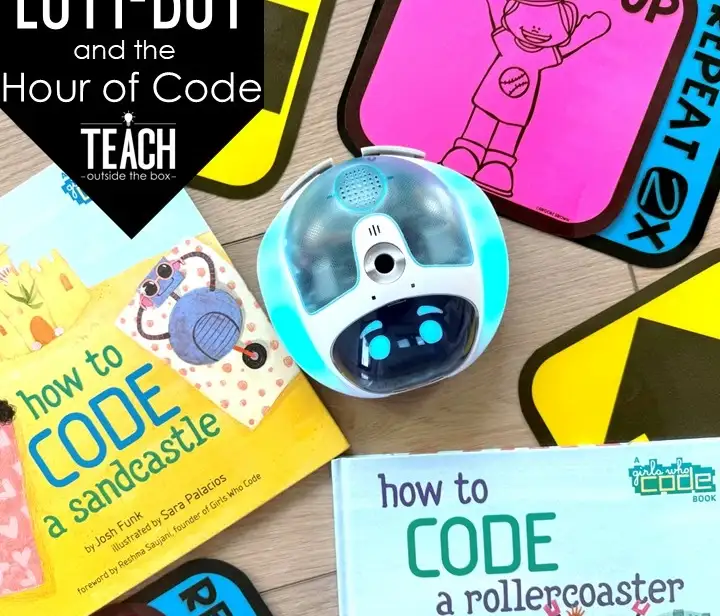
Have you ever considered using robots in your literacy centers, math centers, or science and social studies lessons? Robots are an engaging learning tool that allow students to interact with code and explore the foundations of programming, but they aren’t limited to STEM classes and Makerspaces. Loti-Bot’s unique…
Blog written by Adam Marycz
What is Enhancing Learning Opportunities in Early Years Provision?
In Early Years settings, enhancing learning opportunities refers to the intentional adaptation and enrichment of continuous provision to support, extend, and challenge children’s development through play. While continuous provision offers the foundational environment where children engage in independent play, learning…
In this blog Jodie Lopez explores the different stages of oracy and looks at how technology can support children to develop these skills in the classroom.
How technology can support the stages of Oracy
Whenever I used to hear the word ‘oracy’ it was linked to the idea of being a ‘good orator’. Often the…
The Importance of coding without screens
In the digital world we now live in, coding has become an essential skill. When we think of coding, the first things that often come to mind are computers and screens. However, teaching children to code doesn’t necessarily require these things. We can teach these valuable skills with screen-free options…
Mark Loveday is joined by Emma Jordan for a final episode, to discuss the importance that play has on the language development of children. The episode highlights what high quality play really is and how crucial it can be in supporting the development of communication skills.
Practical tips for practitioners Emma and Mark talk about…
In this episode, Mark Loveday is joined by Emma Jordan to discuss how technology impacts communication in children, exploring ways which parents and practitioners can use it to help support child development.
Practical tips for practitioners Emma and Mark talk about the importance of visual learning and sequencing when transitioning from early years to primary,…
Mark Loveday is joined again by Emma Jordan to discuss the understanding around social communication skills. Emma highlights the challenges that practitioners face and offers insights about actions to take.
Practical tips for practitioners Emma and Mark talk about the role of play in language development and practitioners can learn how to support support children…